Drinks
Bottle and can multipacks
Automatic or semi-automatic sleeve sealing routes for collated bottles, cans and jars.
View related machineryMultipack packaging
Multipack shrink wrapping machinery is commonly used for bottles, cans, trays and cartons that need strong collation for handling and transport.
UK specification advice
Multipacks often use sleeve wrapping because the sides of the pack can remain open while the film holds the products together after heat shrinking.
The machine route should be matched to pack stability, number of products in the collation, tray use, film thickness and the strength required after shrinking.
A sleeve sealer and correctly sized heat tunnel can produce secure multipacks for drinks, cans, jars, cartons and transit bundles.
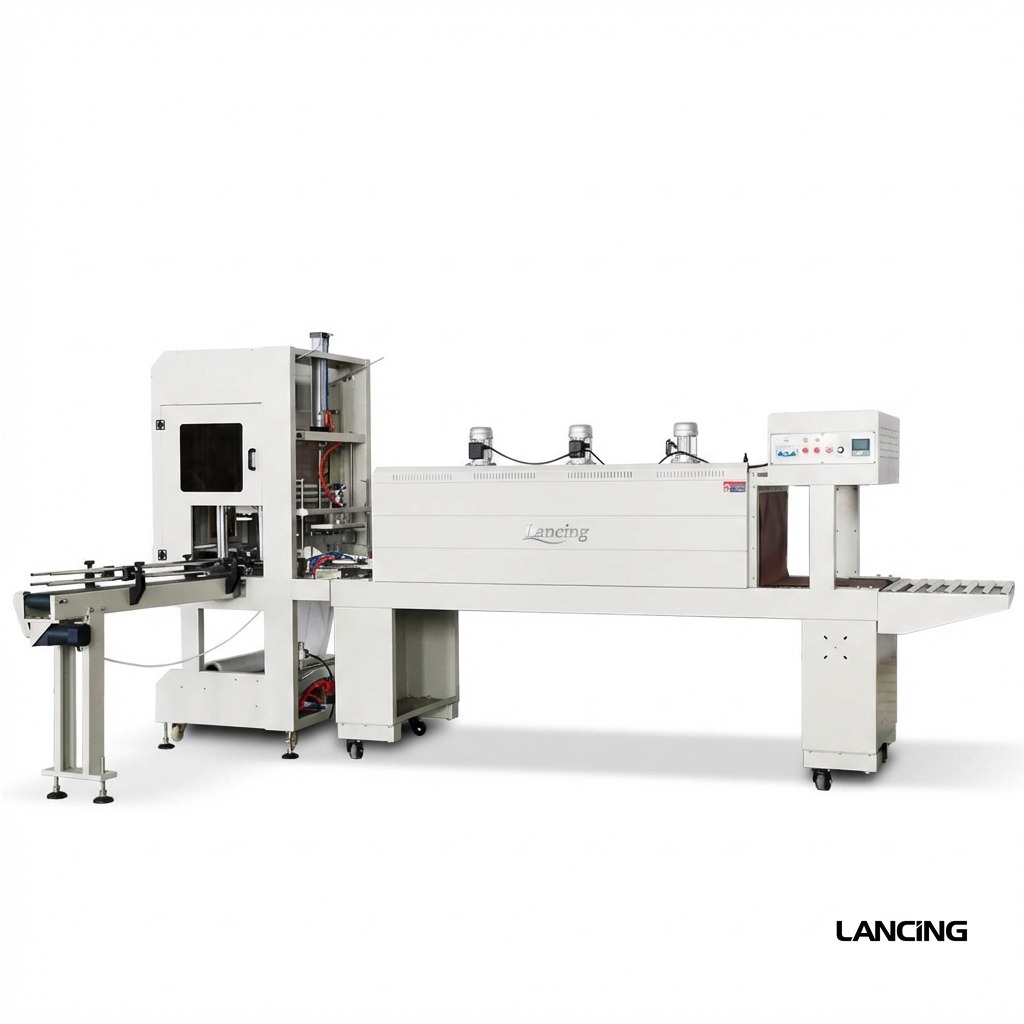
Machinery route
The correct route depends on product shape, bundle pattern and whether the pack uses a tray.
Drinks
Automatic or semi-automatic sleeve sealing routes for collated bottles, cans and jars.
View related machineryTrays
Trays can improve stability before the pack enters the film and tunnel, especially for taller products.
View related machineryFilm
PE film is often selected where pack strength and transit protection matter more than a fully enclosed retail seal.
View related machineryBuying notes
Multipack shrink wrapping depends on both collation and shrink quality. If products move before sealing, the finished bundle will be inconsistent.
The tunnel must give enough heat exposure for the selected film without overheating labels, caps or sensitive products.
For higher output, product grouping and infeed control should be discussed alongside the sleeve sealer itself.
Common questions
PE shrink film is common for strong bundles, while other films may be used depending on presentation and product needs.
Some bottle packs can be trayless if the collation is stable and the film route is suited to the pack.
Yes, the film needs controlled heat after sealing to shrink tightly around the pack.
Many systems can be adjusted, but the practical range depends on product size, bundle pattern and film width.
Next step
Send product dimensions, pack format, approximate output rate and film preference. Lancing can help compare chamber sealers, L-sealers, sleeve sealers, heat tunnels and complete shrink wrapping lines.
Multipack engineering
Bottle, can, carton and tray groups need consistent collation, support and tunnel control. The film should secure an already controlled pack pattern rather than compensate for unstable presentation.
Record count, rows, orientation, overall dimensions, weight and whether the group uses a tray or pad. Include the least stable format and the product with the greatest diameter or height variation.
Agree the acceptable open-sided appearance, film overlap, seal position and handling strength. Trial the production PE or other approved sleeve film across normal and heavy groups, not only an empty display sample.
The film may still be settling at discharge. Guides, transfers, accumulation and pallet handling should support the group without marking or shifting it before the accepted cooling condition is reached.
Application review
Provide the product pattern, heaviest group, tray or pad, production film, output duty and pallet or downstream handling so the multipack route can be assessed accurately.
Pack support
The finished bundle must remain stable after the film has cooled and through the intended handling route.
A tray provides base and side support and may help control product alignment. Include tray dimensions, material, fit and final pallet pattern in the trial.
A pad can support the base with less side containment. Prove pad stiffness, product movement, transfer and lifting with the complete cooled pack.
A trayless bundle relies more heavily on product geometry, collation and film. Test the least stable group through transfer, cooling, accumulation and pallet handling.