Project route
Plan the machine, film and tunnel as one controlled shrink-wrapping process
A useful shrink-wrapping specification connects the finished pack, production film, sealing method, heat exposure, product handling and line interfaces. The framework below helps buyers move from a broad machine search to a testable application brief.
Start with the finished pack
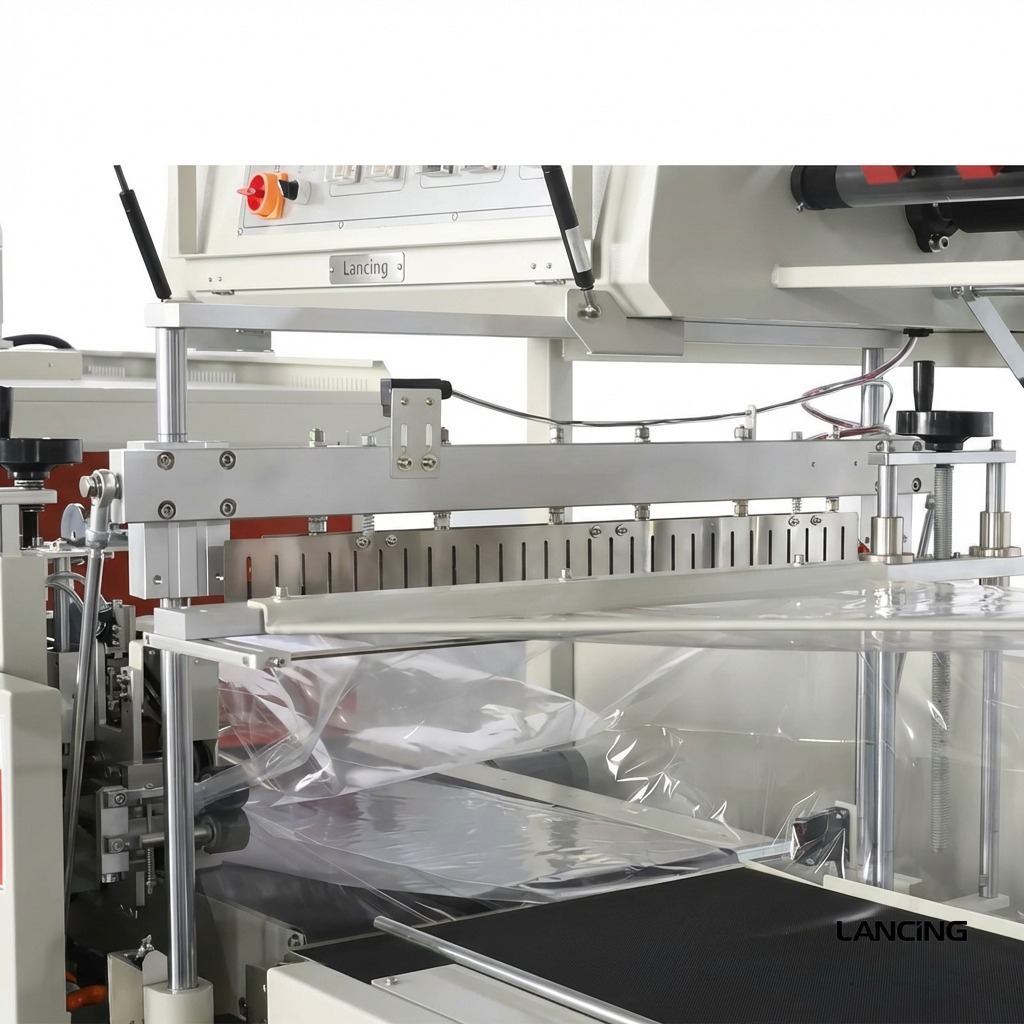
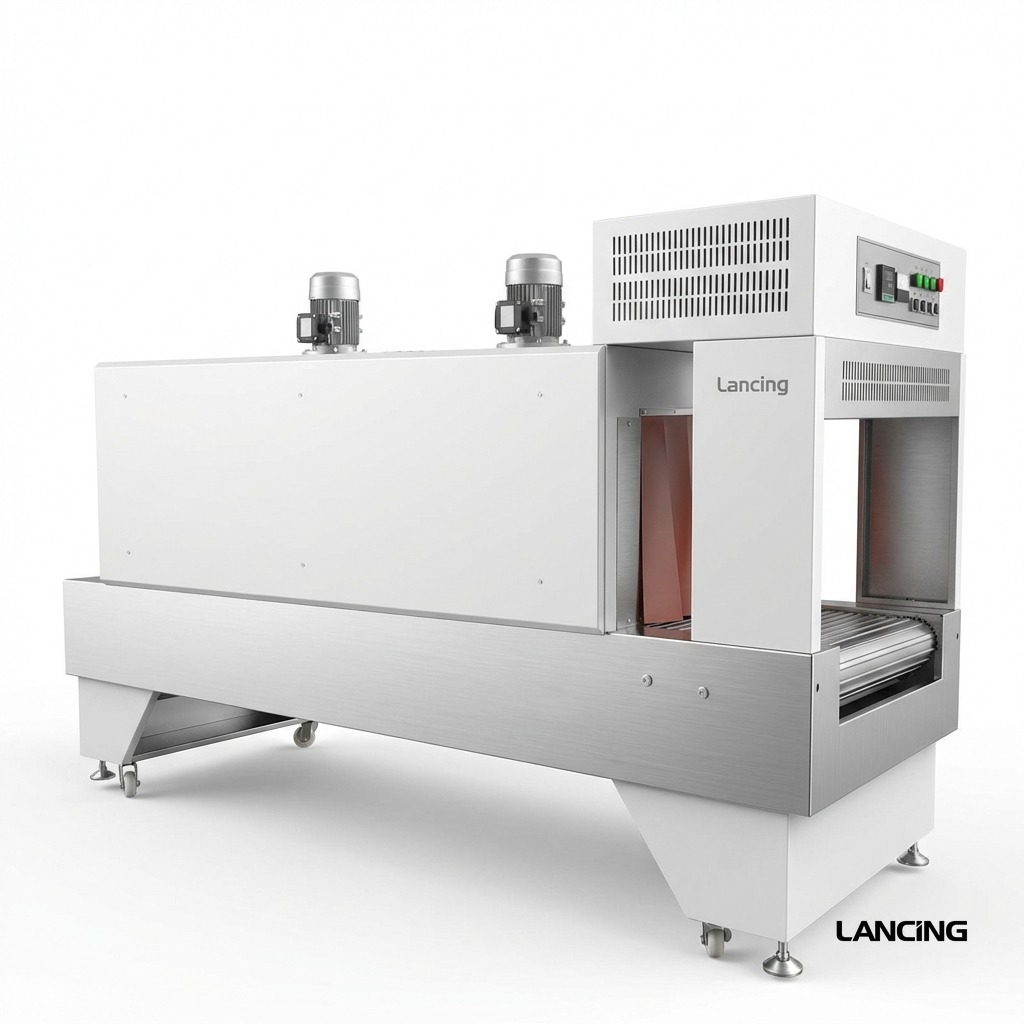
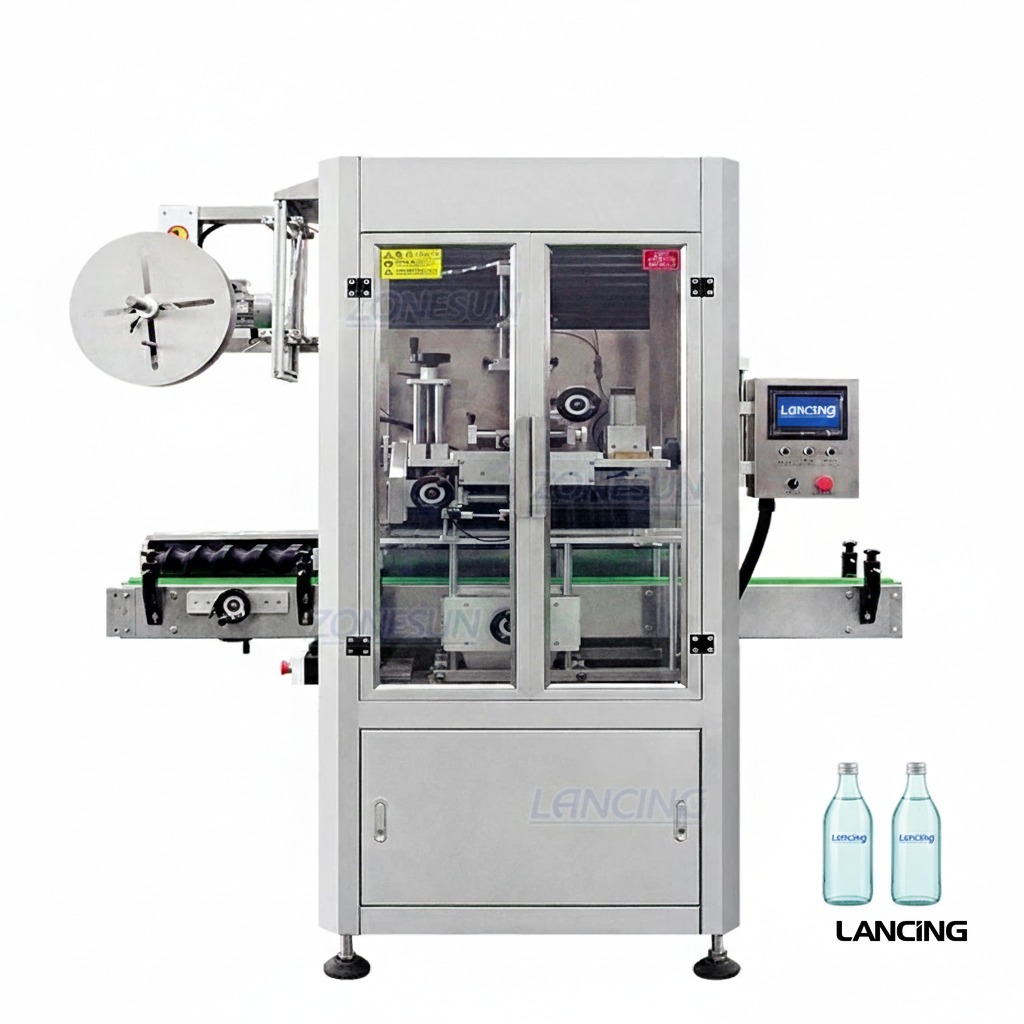
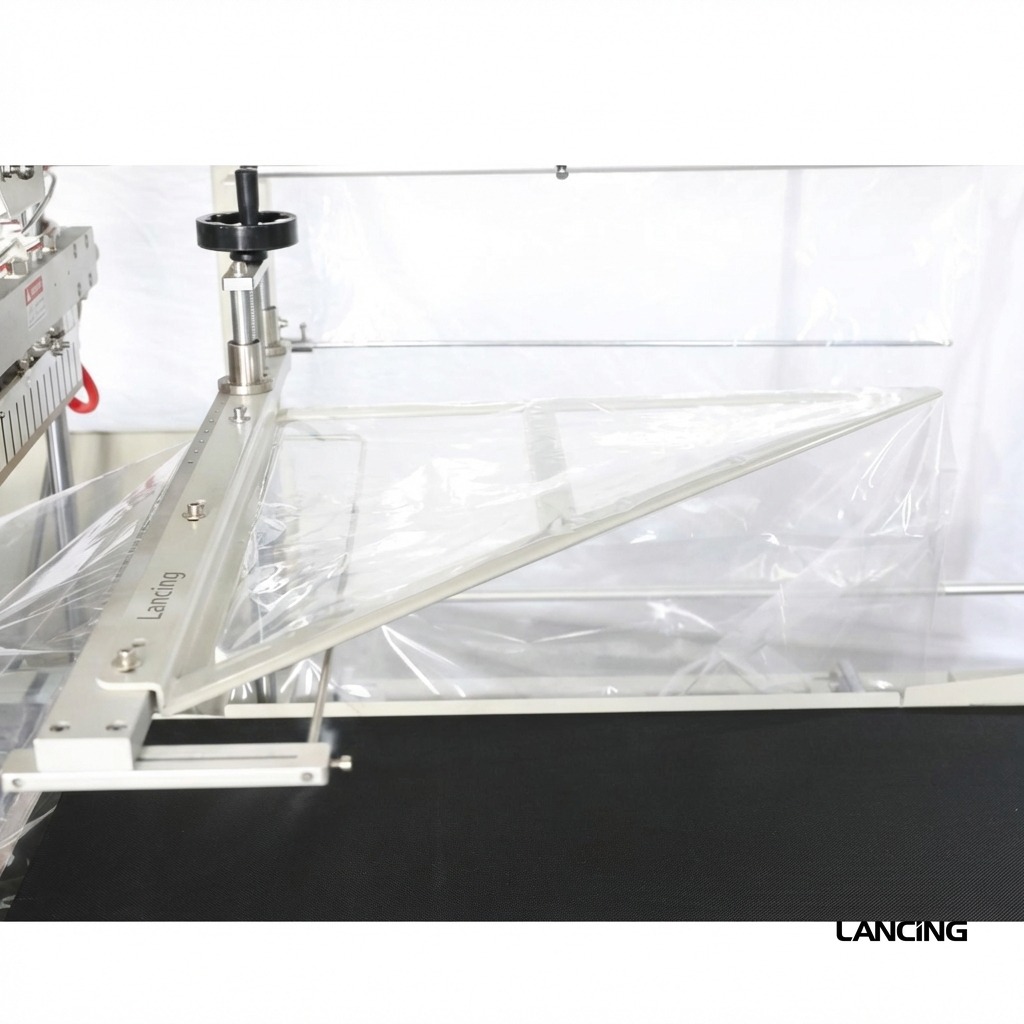
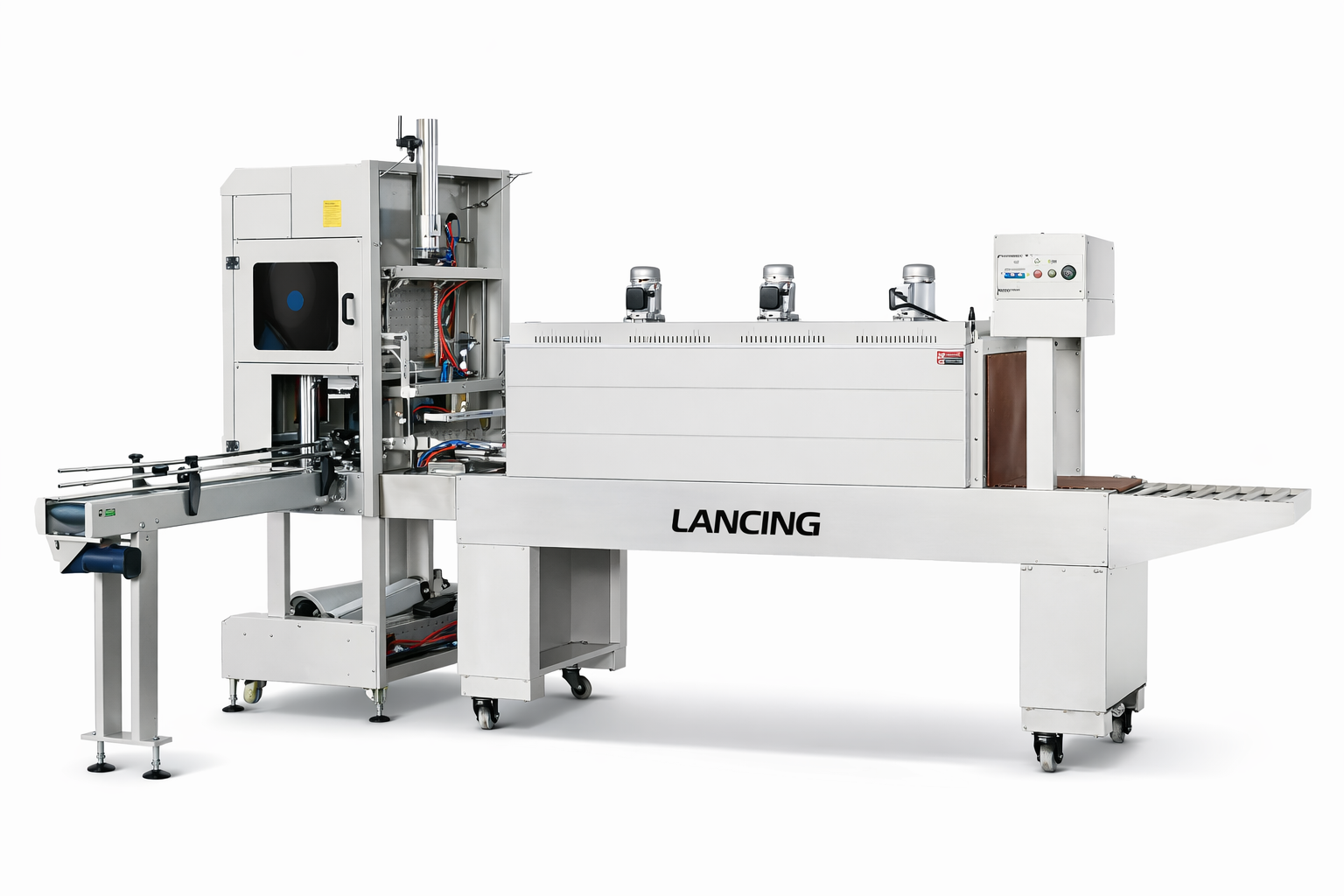
A shrink wrapping machine is only one part of the result. Define whether the product needs a clear presentation wrap, an open-sided transit bundle, a pre-applied label or tamper band, or a compact batch process. That decision determines whether the likely route begins with an L-sealer, sleeve sealer, heat tunnel, sleeve applicator or chamber machine.
Record the acceptable appearance, protection and handling outcome before comparing published speeds. The correct route must create that outcome across the smallest and largest production formats, not only one easy sample.
Treat film and heat as one process
POF, PE and PVC-related applications have different seal and shrink behaviour. Film supplier, construction, gauge, layflat or width, perforation and shrink curve all influence the settings that can produce an acceptable pack. The shrink film guide explains the information to retain with each approved reel.
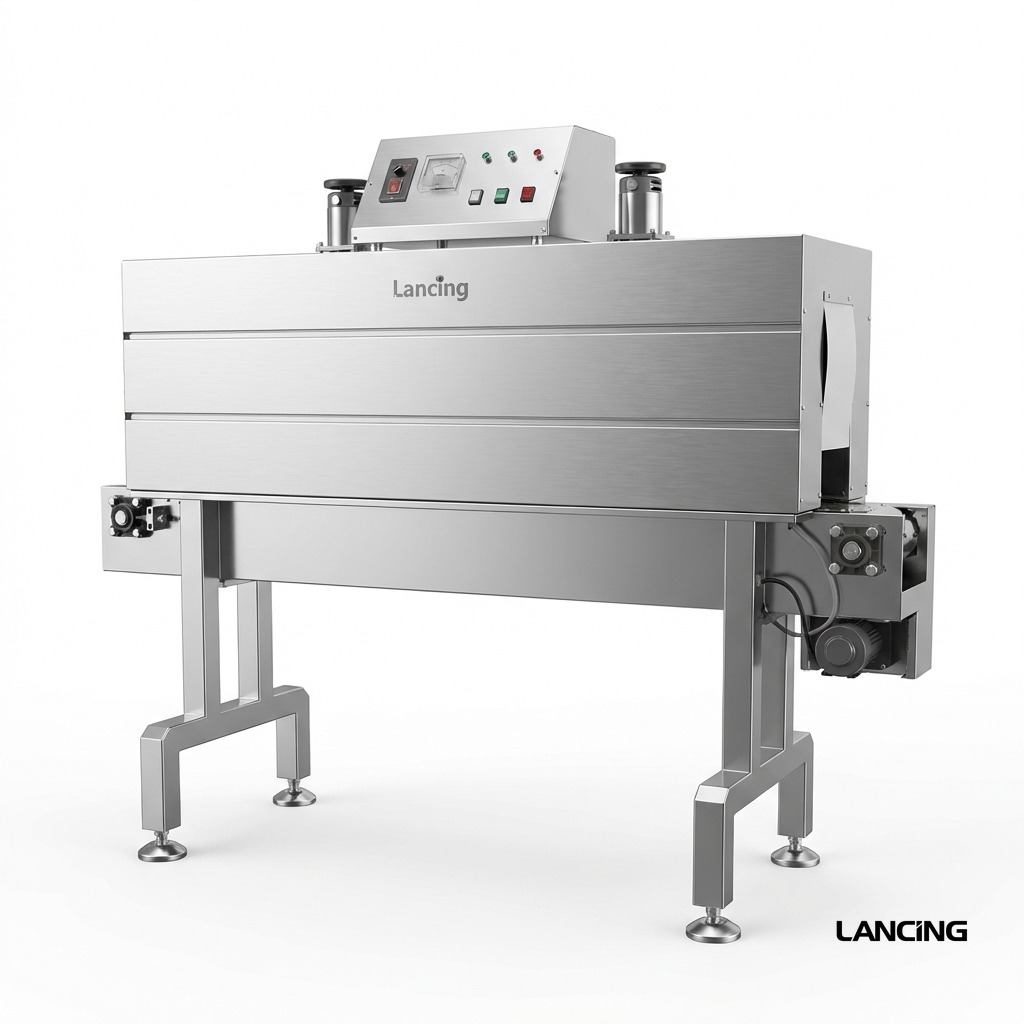
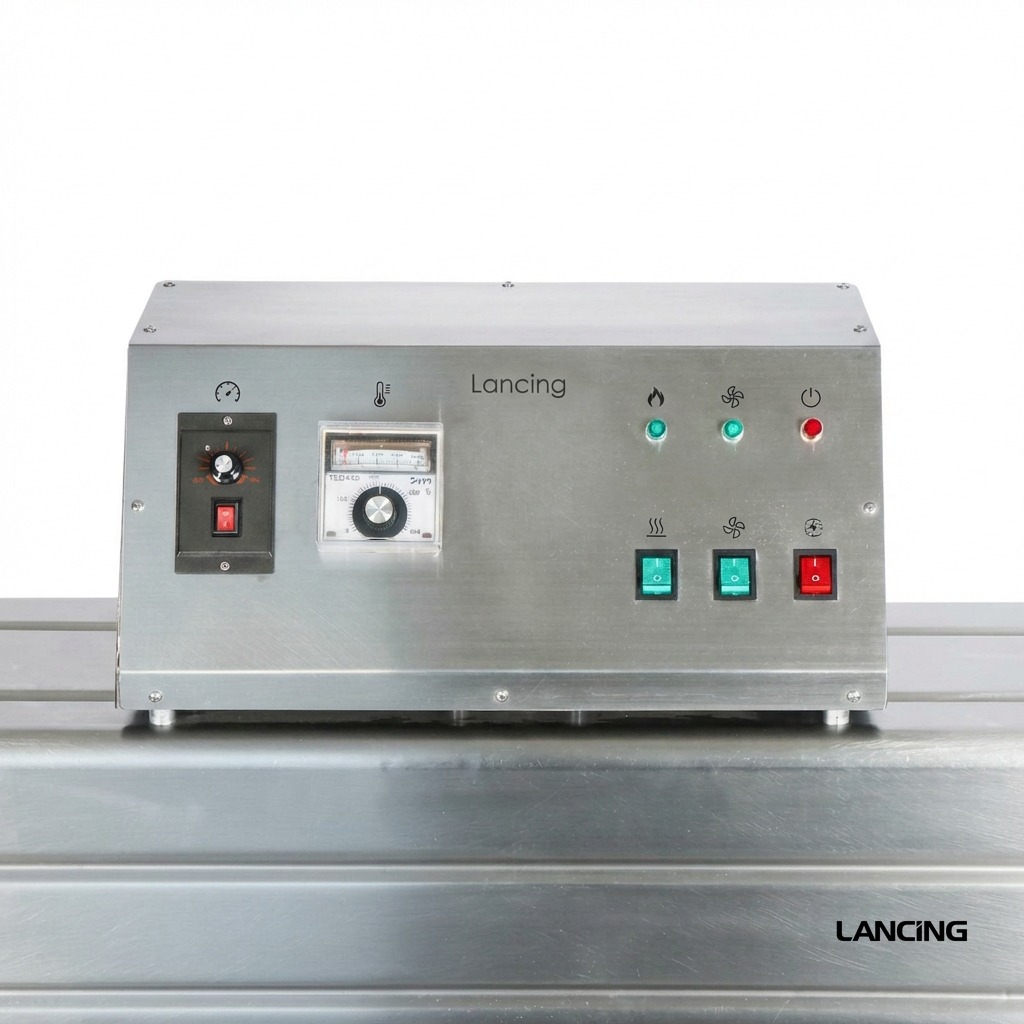
Temperature alone does not describe a tunnel process. Airflow, actual conveyor speed, dwell time, pack loading, product temperature and cooling must be controlled together. A change in any one of those inputs can move the pack outside the approved window.
Design for sustained production
A clean first pack is not proof of stable output. Trials should include warm-up, normal loading, production gaps, the heaviest thermal load, restarts and the expected downstream handling. The line must recover without forcing operators to chase settings after every interruption.
Use a representative run to confirm seal integrity, film finish, pack shape, product condition and the time required for the film to cool before compression, labelling, case packing or palletising.
Prepare evidence for a useful quotation
Supply product dimensions and weight, pack pattern, photographs, target sustained output, current film details, available services and the machines immediately before and after the shrink stage. Include the smallest, largest, lightest, heaviest and most heat-sensitive variants where they differ.
An approved sample or clearly defined acceptance standard lets Lancing compare machinery against a measurable result. The buying guide and trial and FAT guide provide a practical structure for that brief.