Technical selection guidance
Control sleeve placement before controlling the heat process
Shrink-sleeve quality starts before the container reaches the heat zone. Container geometry, sleeve construction, cut accuracy and placement height determine whether the heat process can deliver the intended label or tamper-band position.
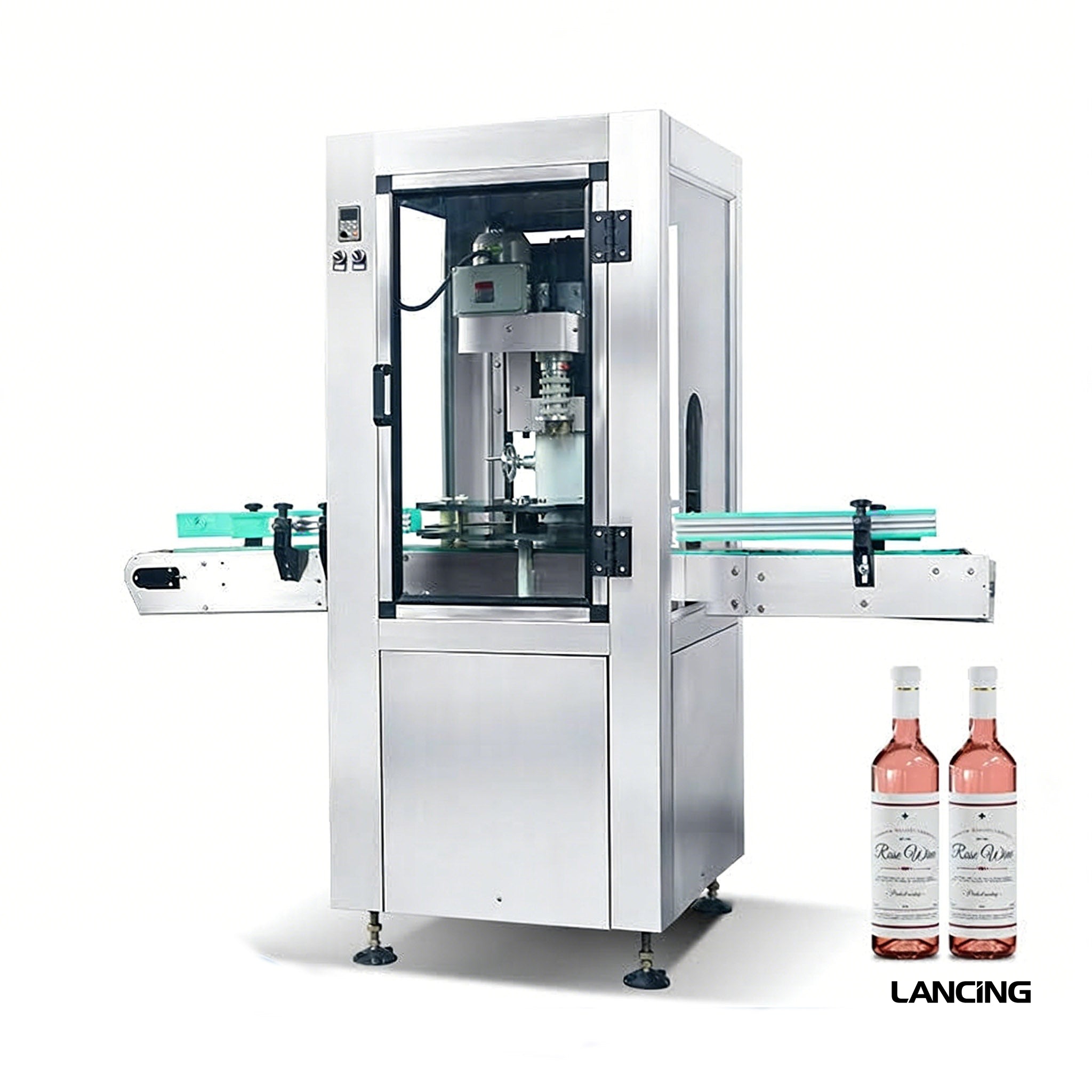
The LU-SXRS1 reference data provides a verified starting point for local capsule shrinking. Full-body sleeves, neck bands and cap capsules should each be treated as distinct sample and changeover conditions.
Container and sleeve compatibility
Provide dimensioned drawings or samples for every container, closure and sleeve. Taper, shoulders, ribs, handles, cap profile and surface friction can affect how the sleeve opens, drops and remains at the correct height before heat is applied.
Filled and empty containers may behave differently. Product temperature, container rigidity and cap or liner sensitivity should be represented in the trial whenever the shrinking process could transfer heat into the pack.
Cutting, opening and placement
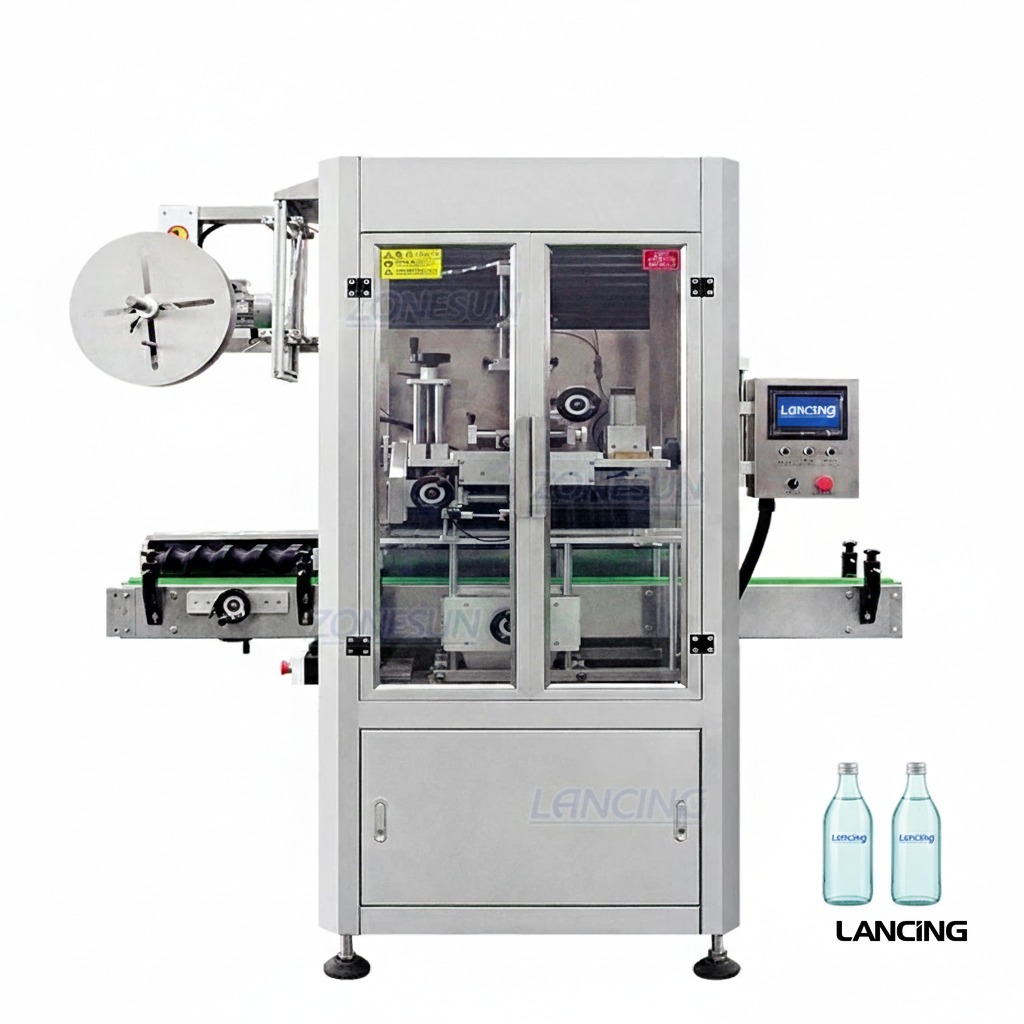
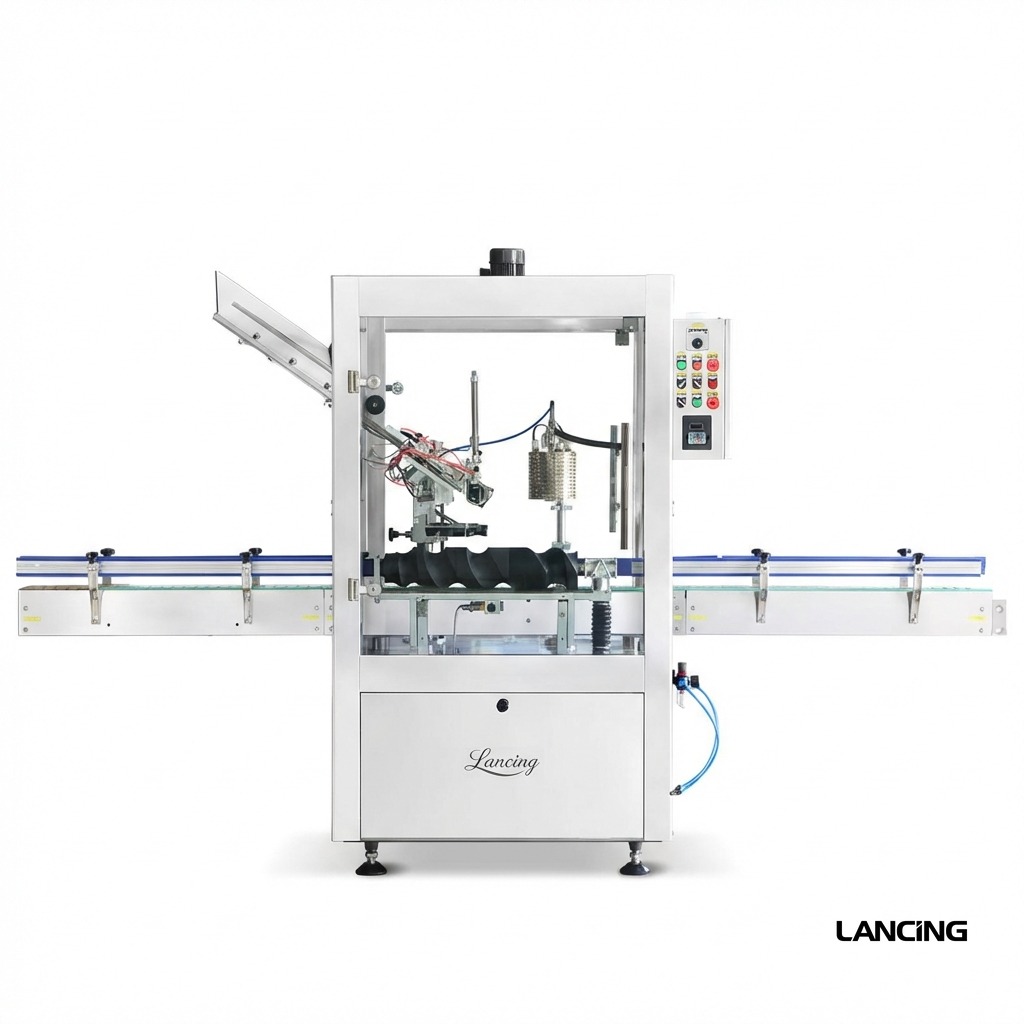
A sleeve applicator must control the reel, register the print where required, cut the sleeve cleanly, open it and place it at a repeatable height. Sleeve layflat, thickness, static, curl, print repeat and seam position are therefore machine inputs, not only label-supplier details.
Agree the permitted placement tolerance and the datum used to measure it. A sleeve can be positioned consistently but still shrink to the wrong visual location if container geometry or print compensation is not correct.
Shrinking without print distortion
The heat process should follow the sleeve material’s shrink curve and the container’s tolerance. Airflow or steam distribution, conveyor speed, product rotation where used and cooling determine how evenly the sleeve conforms around shoulders, recesses and necks.
Printed artwork needs to be designed for the expected shrink profile. The machinery trial can demonstrate the process, but print distortion compensation must be agreed with the sleeve supplier using approved containers.
Inspection and reject strategy
Define how the line should respond to no sleeve, double sleeve, low or high placement, damaged print or a container outside the expected position. A reject station, line stop or operator intervention may be appropriate depending on risk and output.
Where tamper evidence is the purpose, the accepted sleeve position and evidence of opening should be stated clearly rather than judged only by appearance.
Technical questions buyers ask
What samples are needed for a shrink-sleeve trial?
Supply production containers, closures, filled-product condition where relevant, production-equivalent sleeve reels, artwork variants and an approved position or finished sample. Include the smallest and largest formats.
Why can a sleeve move before entering the heat zone?
Container vibration, conveyor transfers, static, sleeve fit, cut quality or incorrect placement height can allow movement. These mechanical causes should be corrected before changing the heat recipe.
Can the same applicator place full-body labels and tamper bands?
Possibly, but the sleeve length, layflat, placement height, container profile and required controls can be materially different. Each format must fit the machine envelope and be proven through changeover and trial.
How is print registration checked?
Agree the artwork datum, permitted placement and final shrunk position. Test production-equivalent printed sleeves because cut registration, seam position and distortion compensation can change the finished result.
What can damage a container during shrinking?
Excess heat exposure, uneven airflow, an unsuitable sleeve, a heat-sensitive closure or product, and poor cooling can contribute. The trial should include the most sensitive container and filled condition.
Where should specialist sleeve-application enquiries go?
The related sleeve applicators website owns detailed sleeve-placement intent. This page explains how application connects to the shrink stage and the wider machinery line.