When to use a chamber sealer
Use this route where products are manually presented, output is moderate, floor space is limited or the priority is a flexible all-in-one sealing and shrinking station.
Chamber sealers
Chamber sealers are useful for lower-output shrink wrapping, small production spaces and batch packing. Lancing can advise where a compact chamber route is more suitable than an automatic L-sealer or sleeve sealer.
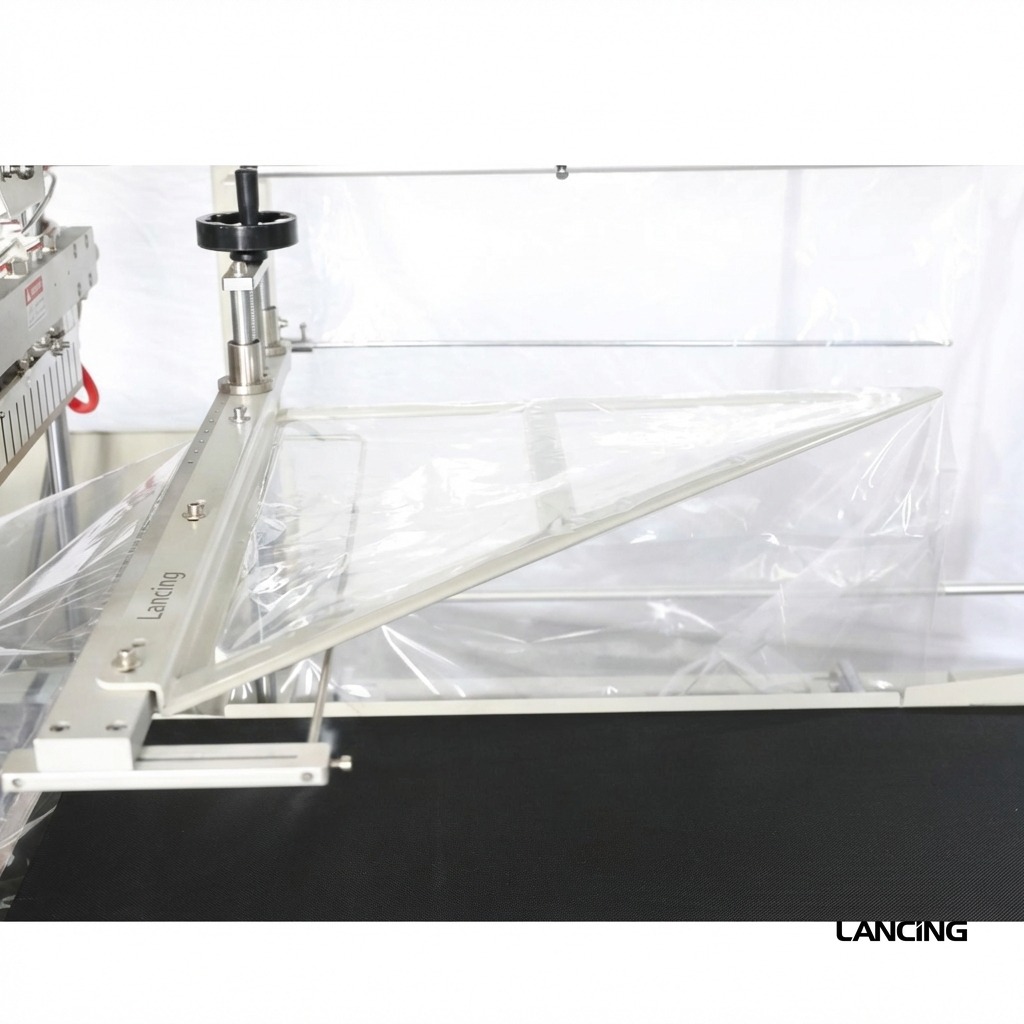
Use this route where products are manually presented, output is moderate, floor space is limited or the priority is a flexible all-in-one sealing and shrinking station.
If product flow, pack consistency or output becomes the bottleneck, compare an L-sealer, side sealer or automatic sleeve sealer with a separate heat tunnel.
Technical selection guidance
A chamber sealer can simplify lower-volume shrink wrapping by combining the closing seal and heat cycle in one machine. The key decision is not floor space alone: chamber envelope, operator method, film compatibility, batch profile and product heat sensitivity must all be acceptable.
Because chamber performance is product dependent, quotations should be based on representative samples and the real production sequence rather than a nominal product description.
A chamber shrink wrapper is normally evaluated for lower-volume work, short batches or frequent product changes where an enclosed seal-and-shrink cycle is operationally acceptable. State the average and peak batches, operator loading method and the number of format changes per shift.
Where the required output is continuous or the product must interface automatically with other equipment, a separate sealer and heat tunnel may provide a more scalable route.
Measure the product after it is placed in the film and on any presentation board or tray. The hood must close without touching the pack, and the seal position must be accessible without stretching or folding the film incorrectly.
Tall or unstable products need particular attention because movement during hood closing or air circulation can change film position and corner appearance.
The selected film must seal cleanly on the machine and shrink within a cycle that does not mark or deform the product. Film width, bag size, perforation and product edge protection affect both appearance and repeatability.
Treat seal and shrink settings as a recipe. Change one variable at a time and retain an accepted sample so operators can confirm the first pack after a changeover.
Document film loading, product position, hood closing, first-off inspection and the response to an incomplete seal. Keep the sealing wire or blade area clean and follow the machine manual for replacement parts and safe isolation.
A compact machine still requires clear access, ventilation, suitable electrical supply and a work area that prevents hot packs from being stacked before the film has set.
| Selection question | Evidence to review | Reason |
|---|---|---|
| Will every pack fit the chamber? | Wrapped maximum dimensions, height, weight and unstable projections | Prevents hood contact and confirms seal position |
| Is the duty genuinely batch based? | Packs per batch, batches per shift, peak demand and changeovers | Determines whether an integrated chamber cycle is practical |
| Can the product tolerate the cycle? | Material, contents, labels, closure and approved appearance | Controls film and heat window |
| Can the operator load consistently? | Work height, orientation, film handling and accepted sample | Reduces pack-to-pack variation |
| How will warm packs be handled? | Cooling surface, accumulation and next operation | Prevents film distortion after the chamber opens |
It combines film sealing and shrinking within an enclosed hood or chamber cycle. The operator places the product in film, positions it at the seal and starts the controlled cycle.
Consider separate stages when sustained output, automatic infeed, independent control of dwell time or integration with other conveyors is more important than compact batch operation.
Yes where every format fits the chamber and seal envelope and the film and heat recipes can be changed safely. The smallest, tallest and most heat-sensitive variants should be trialled.
Check film type, seal-area contamination, film tension, product position and the machine’s approved seal settings. Do not rely on the shrink cycle to compensate for an incomplete seal.
Check seal continuity, holes, excessive corner fins, loose film, product condition and whether the wrap remains stable after cooling. Compare against an approved sample.
Send pack dimensions and weight, photographs, batch profile, target output, film details, power supply and any restriction on heat, ventilation or floor space.
Application review
Send the maximum wrapped dimensions, product weight, film, batches per shift, changeover range and any heat-sensitive materials for an application review.
Chamber-machine engineering
A chamber machine combines sealing and shrinking in one enclosed cycle. It can suit flexible lower-volume work, but usable chamber clearance, film preparation, operator handling and product response to heat must be proven.
Measure the wrapped product as it is placed for sealing, including loose film and any tray. Confirm hood or chamber clearance and seal-bar position. A product that fits physically may still be difficult to present consistently.
Include product collection, film presentation, sealing, shrinking, unloading, inspection and replenishment when estimating useful output. The work method should be repeatable without unsafe contact with hot surfaces or awkward handling.
The enclosed cycle exposes the complete pack to heat. Include labels, coatings, closures, adhesives and products with low heat tolerance. Check both the finished film and the condition of the product after cooling.
Application review
Send the product extremes, film, loading method, batch profile, approved finish and heat-sensitive features so the chamber route can be assessed safely and realistically.
Batch-process questions
A chamber machine combines sealing and shrinking in a compact batch process, so operator presentation, chamber clearance, cycle duty and changeover method all affect practical output.
The operator loading method, product size, film envelope, seal requirement, heating condition and cooling or handling time can all change the usable cycle. A cycle observed on one small, stable pack should not be applied to a larger or more heat-sensitive format without testing.
Judge the process over a representative sequence that includes normal loading and removal, not only the machine’s active heating period.
Group products by approved film, format and recipe where possible. Use identified settings, guides and accepted samples so the operator does not repeatedly improvise between unrelated packs. Plan enough time for safe changeover and confirmation of the first accepted pack.
A format matrix helps show when one chamber route remains practical and when separate film or equipment would reduce repeated adjustment.
A separate route can be easier when the product range needs continuous conveying, independent control of sealing and shrinking, longer cooling or integration with upstream and downstream equipment. It may also suit a growing sustained-output requirement.
The chamber route remains useful for compact batch work. The decision should compare operator method, floor space, format range, accepted output and the required level of process separation.
Send the full pack range, chamber loading orientation, operator method, production film, batch profile and the acceptable finished-pack condition. Send the application details to Lancing.
Film envelope
A compact seal-and-shrink cycle still needs enough loose film to enclose the product without preventing a clean seal or controlled collapse.
Measure the product in its loading orientation, include the smallest and largest formats, allow for seal position and confirm the loose film remains within the chamber or hood envelope. The selected bag or centre-folded film must also suit the sealing and heat cycle.
Yes. Excess material can fold, trap air, contact hot surfaces or create an uneven finish. Insufficient film can pull against the seal or product. Use representative film and approve the complete cycle after cooling.
Review shrink-film width, layflat and bag measurements before approving the chamber route.