Compact
Chamber sealer
Compact sealing and shrinking in one hood-style machine for sample packs, low volume work and smaller products.
View related machinerySemi-automatic systems
Semi-automatic shrink wrapping machinery is suited to lower and medium output operations that need a professional finish without a fully automatic line.
UK specification advice
A semi-automatic machine can reduce hand wrapping, standardise seal quality and give operators a repeatable process for retail packs, trays, cartons and sample batches.
The right route depends on the pack: chamber sealers suit compact lower volume work, L-sealers suit single product presentation packs and sleeve sealers suit bundles or trays.
The goal is not always maximum speed. For many factories the best return is a machine that operators can adjust quickly across a realistic product range.
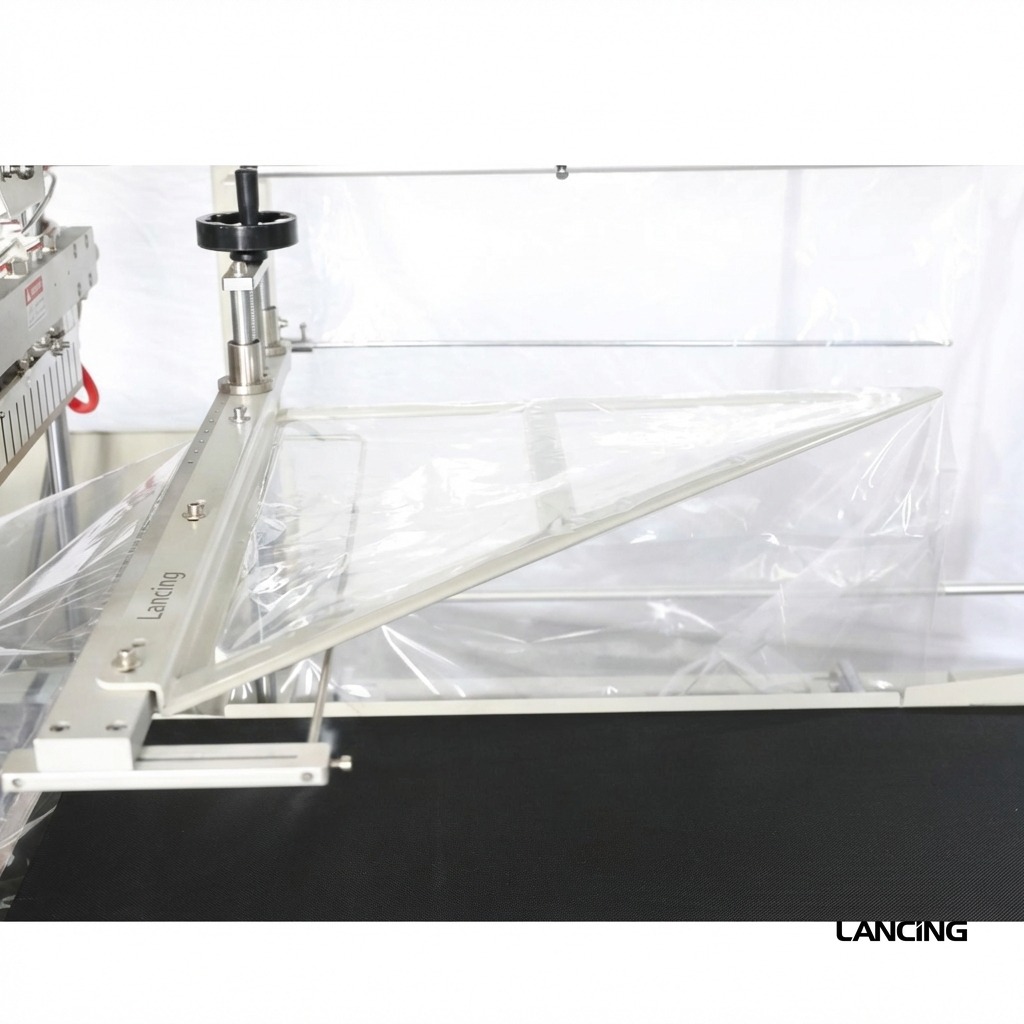
Machinery route
Start with pack type and film route, then check the operator process and available space.
Compact
Compact sealing and shrinking in one hood-style machine for sample packs, low volume work and smaller products.
View related machineryPresentation
A common route for boxed goods, printed items and retail products where presentation matters.
View related machineryBundles
A practical route for trays, bottles and collation packs where the operator loads the product and the tunnel completes the shrink.
View related machineryBuying notes
Semi-automatic machines are often chosen when product variety is high and fully automatic feeding would be unnecessary or too expensive.
Look closely at changeover. A machine that can move between several pack sizes cleanly may be more useful than a faster machine that needs longer setup time.
For a clean result, the film should suit the machine and the product. POF is common for presentation packs, while PE is often used for collation and transit bundles.
Common questions
Yes. L-sealers and chamber sealers are commonly used where a neat presentation pack is required.
A chamber sealer seals and shrinks in one hood. An L-sealer usually creates the seal before the product travels through a separate heat tunnel.
Some semi-automatic sleeve sealing routes can use PE film. Presentation packs often use POF depending on the product and finish required.
Consider automatic machinery when manual loading becomes the bottleneck or when the product is consistent enough for reliable automatic feeding.
Next step
Send product dimensions, pack format, approximate output rate and film preference. Lancing can help compare chamber sealers, L-sealers, sleeve sealers, heat tunnels and complete shrink wrapping lines.
Semi-automatic selection
Semi-automatic machinery can suit batch work and changing products, but the loading method, operator reach, seal cycle, film handling and tunnel feed must be engineered for safe repeatability.
Map how the product is collected, placed, wrapped or presented, how the cycle starts and how the finished pack is removed. The process should avoid awkward reaches, uncontrolled hot-film handling and inconsistent product position.
A simple guide, stop or product support can improve seal position and pack presentation. Include the least stable and most variable product in the trial so the proposed method does not depend on exceptional operator skill.
Time the complete repeatable task, including loading, film handling, sealing, tunnel transfer, inspection and replenishment. A machine-only cycle does not represent accepted packs per hour when the operator performs several linked actions.
Application review
Provide samples, batch sizes, pack weight, film, available space and required accepted output so Lancing can compare the semi-automatic routes against the actual working method.