Trays
Tray and multipack wrapping
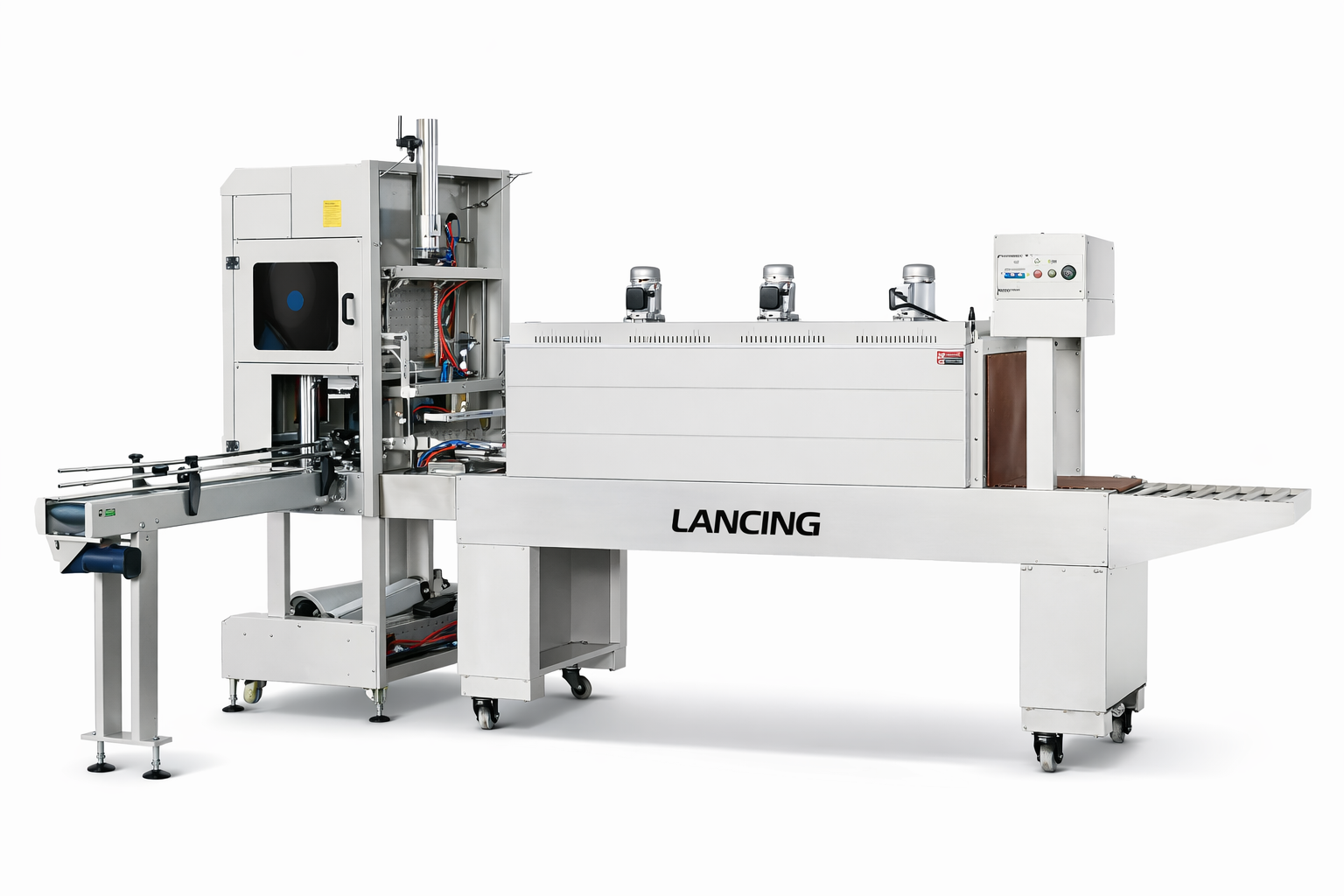
Sleeve sealing and heat tunnel routes for grouped food packs, jars, bottles and trays.
View related machineryFood packaging
Food packaging shrink wrapping projects need the right balance of presentation, pack protection, hygiene considerations and film suitability.
UK specification advice
Food-related shrink wrapping can cover trays, cartons, jars, bottles, multipacks and outer transit bundles. Each format may need a different machine route.
For retail presentation packs, an L-sealer or chamber sealer may be suitable. For trays and multipacks, sleeve sealing with a heat tunnel is often considered.
When food products are involved, the machine environment, cleaning access, product temperature and packaging material should be discussed during specification.
Machinery route
Choose around the outer pack format rather than the product category alone.
Trays
Sleeve sealing and heat tunnel routes for grouped food packs, jars, bottles and trays.
View related machineryCartons
L-sealer routes for cartons and retail boxes where clean presentation matters.
View related machineryCompact
Compact option for sample batches, smaller packs and lower volume packing rooms.
View related machineryBuying notes
Clarify whether the shrink film touches the food itself or only wraps the outer packaging. This affects material selection and the advice required.
If products are chilled, warm or sensitive to heat, tunnel settings and exposure time should be checked carefully.
For food production lines, operator access, cleaning routine and location in the packing area should be discussed alongside speed.
Common questions
Many food products are shrink wrapped as outer packaging, trays, cartons or multipacks. Film suitability and food-contact requirements must be confirmed.
Tray packs often use a sleeve sealer and heat tunnel, depending on size, output and stability.
A chamber sealer can suit compact lower-volume outer packaging, samples and smaller packs.
Send pack dimensions, photos, film requirements, output rate, product temperature and whether the film contacts food directly.
Next step
Send product dimensions, pack format, approximate output rate and film preference. Lancing can help compare chamber sealers, L-sealers, sleeve sealers, heat tunnels and complete shrink wrapping lines.
Food packaging application
Food packaging projects should be defined by the already packed product, film, heat sensitivity, production environment and required handling. The shrink wrapper does not replace food-safety, primary-pack or product-specific compliance assessment.
Product and pack temperature, condensation, primary packaging, labels and closures can change film response and heat transfer. Trial normal and worst-case production conditions rather than dry empty samples only.
Describe the site environment, cleaning method, contamination risks and required access. Machine construction and cleaning instructions must be confirmed for the exact proposed equipment rather than inferred from a generic industry label.
Check that the shrink process does not disturb primary-pack seals, printed information, date codes, closures or temperature-sensitive contents. Retain an approved finished pack and a reject standard.
Application review
Provide the real product condition, primary and secondary packaging, output duty, cleaning environment and accepted finish so the machinery can be assessed without unsupported compliance assumptions.