Contract packing

Shrink wrap machines for contract packers and mixed products

Shrink wrap machines for contract packers handling mixed products, batch work, retail packs, cartons, multipacks and changing shrink wrapping formats.

Shrink wrap machines for contract packers and mixed products

Contract packers often need flexibility as much as speed. A suitable shrink wrapping route needs to handle product changes, film changes, operator workflow and realistic changeover time between jobs.

Flexible machine selection

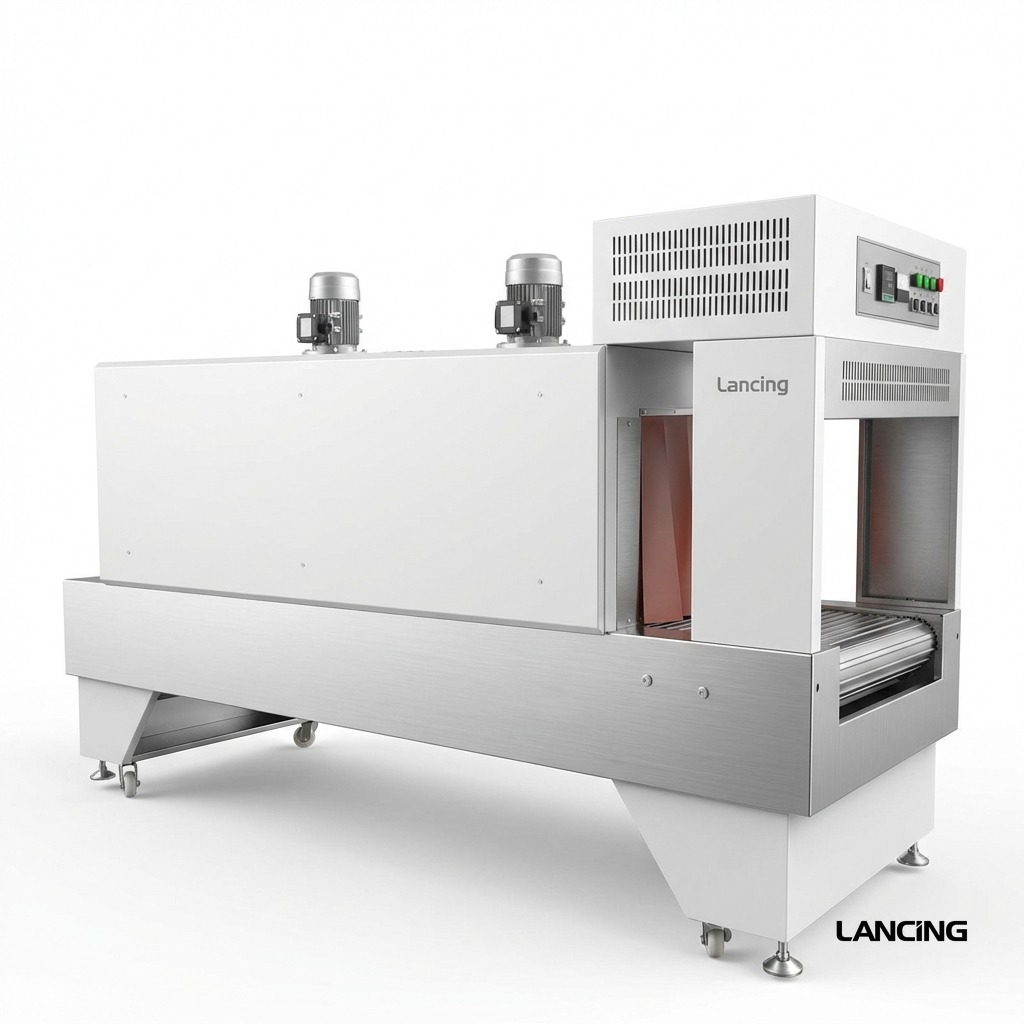
For mixed products, the best route may be a chamber sealer, L-sealer and heat tunnel, or an adjustable sleeve sealing system depending on size range and output expectation.

Changeover considerations

Sealing jaw size, tunnel aperture, conveyor speed, film width and product support affect how quickly operators can move between contracts.

Quoting contract packing equipment

Provide the largest and smallest product, typical batch size, current labour input, desired packs per minute and the film types you expect to run.

Related machinery pages

Frequently asked questions

What shrink wrapping machine is best for contract packing?

The best route depends on product range. Flexible chamber or L-sealer routes can be useful for varied batches, while automatic systems suit repeat higher-volume jobs.

Should a contract packer buy automatic equipment?

Automatic machinery is useful when repeat work and target output justify it. For varied short runs, flexibility and changeover can be more important than headline speed.

Can one machine cover retail packs and transit packs?

Sometimes, but film type, pack weight, shrink finish and size range need to be checked before relying on one route.

Contract packing

Build flexibility around controlled product families and fast first-off approval

Contract packers need to support changing products without turning every new job into uncontrolled process development. A structured product family, film and acceptance system improves both flexibility and repeatability.

Group work by process family

Separate presentation overwraps, open-sided bundles, chamber work and sleeve-label applications. Within each family, record the maximum envelope, weight, film route and strictest quality standard so future enquiries can be screened quickly.

Control customer-supplied film and samples

Identify who approves the film, who supplies enough material for setup and what happens when an untested substitute arrives. Retain reel labels, approved samples, recipes and sign-off records by customer job.

Make changeover evidence part of the service

Use a changeover sheet for guides, film, recipe, pack pattern and first-off approval. Record setup waste and time so quotations for repeat work use evidence rather than memory.

Evidence to include

  • Current and expected product families, including extremes.
  • Customer ownership of film specification and approved pack.
  • Typical batch size, change frequency and required first-off time.
  • Operator method, available floor space and shared equipment.
  • Required records, retained samples and job traceability.
  • Expansion allowance for future products without unsupported promises.

Application review

Send the product-family and changeover profile

Provide representative jobs, film ownership, batch sizes, acceptance records, operator method and available space so the most flexible supportable route can be compared.