Route
Machine type
Chamber sealers, L-sealers, sleeve sealers, heat tunnels and automatic lines sit in different project categories.
View related machineryQuote guidance
Shrink wrap machine prices depend on the machine route, pack size, film type, output and the level of automation required.
UK specification advice
A compact chamber sealer, semi-automatic L-sealer and fully automatic sleeve wrapping line are very different projects, so a useful price needs the pack details first.
The largest product size affects seal bar length, film width and tunnel aperture. Output affects conveyor speed, tunnel length, feeding method and automation.
For an accurate quote, provide product dimensions, pack format, output target, film preference and photos or sample details.
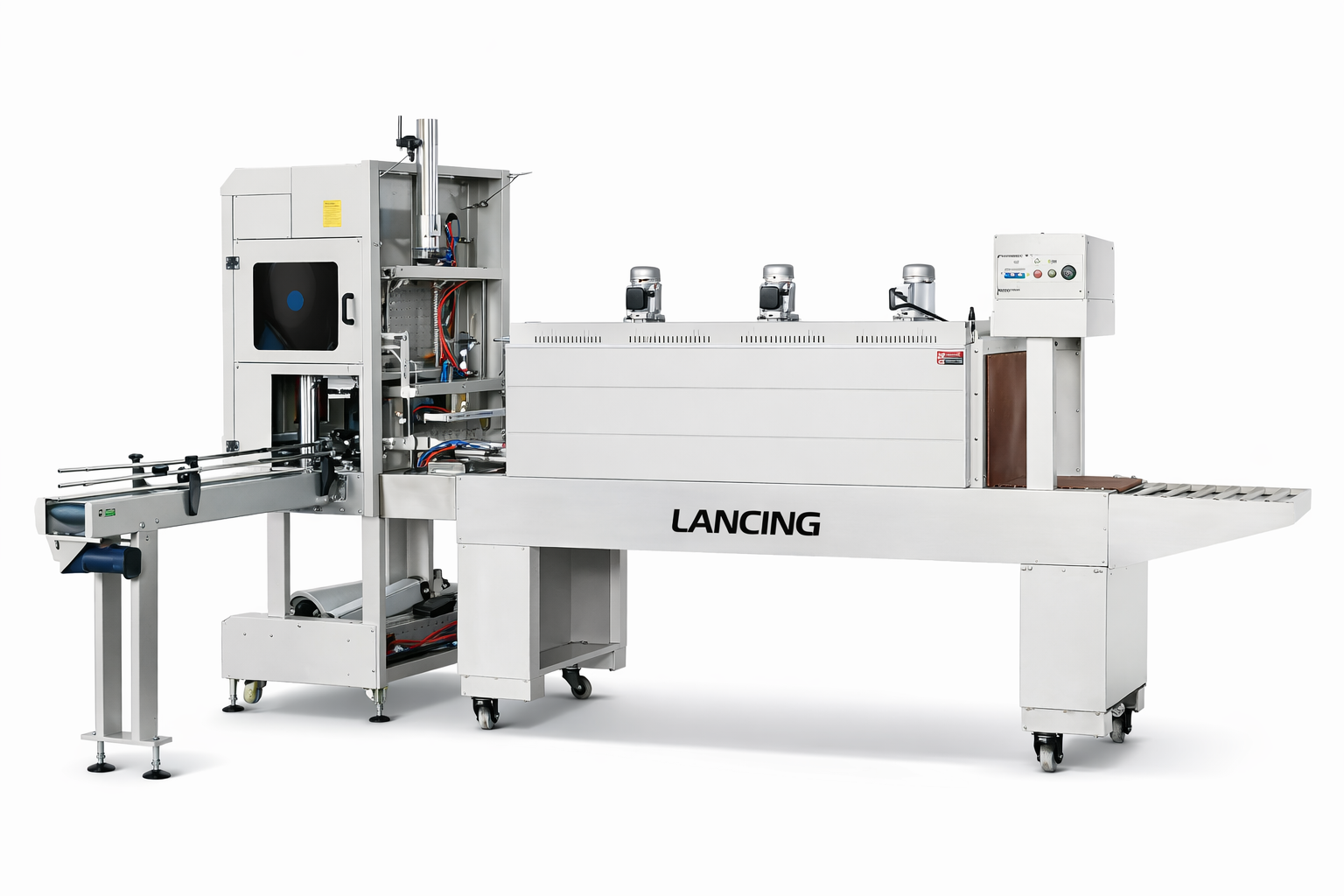
Machinery route
The price is normally driven by size, speed, film route and automation.
Route
Chamber sealers, L-sealers, sleeve sealers, heat tunnels and automatic lines sit in different project categories.
View related machinerySize
Larger products can require bigger seal areas, wider film and larger tunnel apertures.
View related machineryOutput
Automatic feeding, collation and conveyor integration add complexity but can reduce manual handling.
View related machineryBuying notes
Avoid asking for a price using only a product name. Two products in the same industry can require different machines if their dimensions, weight or output targets differ.
Send the information needed to size the machine. This helps prevent under-sized tunnels, weak seals and wasted time comparing unsuitable equipment.
If you do not know the best route, send photos and packaging goals. Lancing can help narrow the choice before quoting.
Common questions
The machine type, pack size, film route, output and automation level can all change the specification.
Product dimensions, pack weight, required output, film type, photos and available floor space.
A chamber sealer is typically a simpler compact route, while automatic lines involve more equipment and integration.
Yes. Send the product and pack details so suitable routes can be compared.
Next step
Send product dimensions, pack format, approximate output rate and film preference. Lancing can help compare chamber sealers, L-sealers, sleeve sealers, heat tunnels and complete shrink wrapping lines.
Cost factors
A useful shrink wrapping machinery comparison combines the quoted equipment scope with film, energy, labour, changeover, maintenance, rejects and availability. The values must come from the proposed machine, production film and real operating profile; this page does not publish invented prices.
Quotation value changes with machine family, usable envelope, product handling, guarding, controls, conveyor length, change parts and the level of automatic collation or integration. Compare quotations against a common scope rather than the machine name alone.
Film cost is influenced by material, gauge, width, pack pattern, overlap, trim, perforation, reel length and the waste created during setup, changeover and faults. A smaller or cheaper reel is not automatically the lower-cost route if it increases rejects or change time.
Tunnel energy depends on installed heating and fan loads, warm-up, production time, standby method, pack thermal load, airflow and heat loss. Use the quoted machine data and a representative production profile; do not calculate a universal cost from temperature alone.
Include loading, reel changes, first-off checks, cleaning, maintenance, planned stops, rejects and the consequence of downtime. Automation may reduce some handling but can add interface and changeover requirements, so the complete line duty should be compared.
| Cost area | Inputs to obtain | Comparison output |
|---|---|---|
| Capital scope | Machine, conveyors, collation, controls, guarding, delivery, installation, commissioning, training and accepted options | Comparable total project scope rather than a bare machine price |
| Film | Material code, gauge, width, reel length, price, packs per reel, setup waste and reject rate | Film cost per accepted pack and expected reel-change frequency |
| Energy | Installed loads, measured duty, warm-up, run/standby hours, production loading and site tariff | Energy cost over the actual production profile |
| Labour | Operators, loading method, reel handling, changeover, inspection, cleaning and record keeping | Labour time per shift or accepted production quantity |
| Maintenance | Manual-based tasks, consumables, critical spares, planned downtime and support requirement | Expected planned cost and downtime exposure |
| Quality and availability | Rejects, rework, restart waste, micro-stops, line stoppages and downstream disruption | Cost of lost good output, not only material scrap |
| Flexibility | Number of formats, change frequency, future extremes and required change parts | Cost and time of supporting the intended product mix |
Application review
Send the product and film matrix, required good-pack output, shift profile, changeover pattern, site layout and acceptance criteria. Lancing can then define the equipment and trial basis clearly enough for a meaningful comparison.